
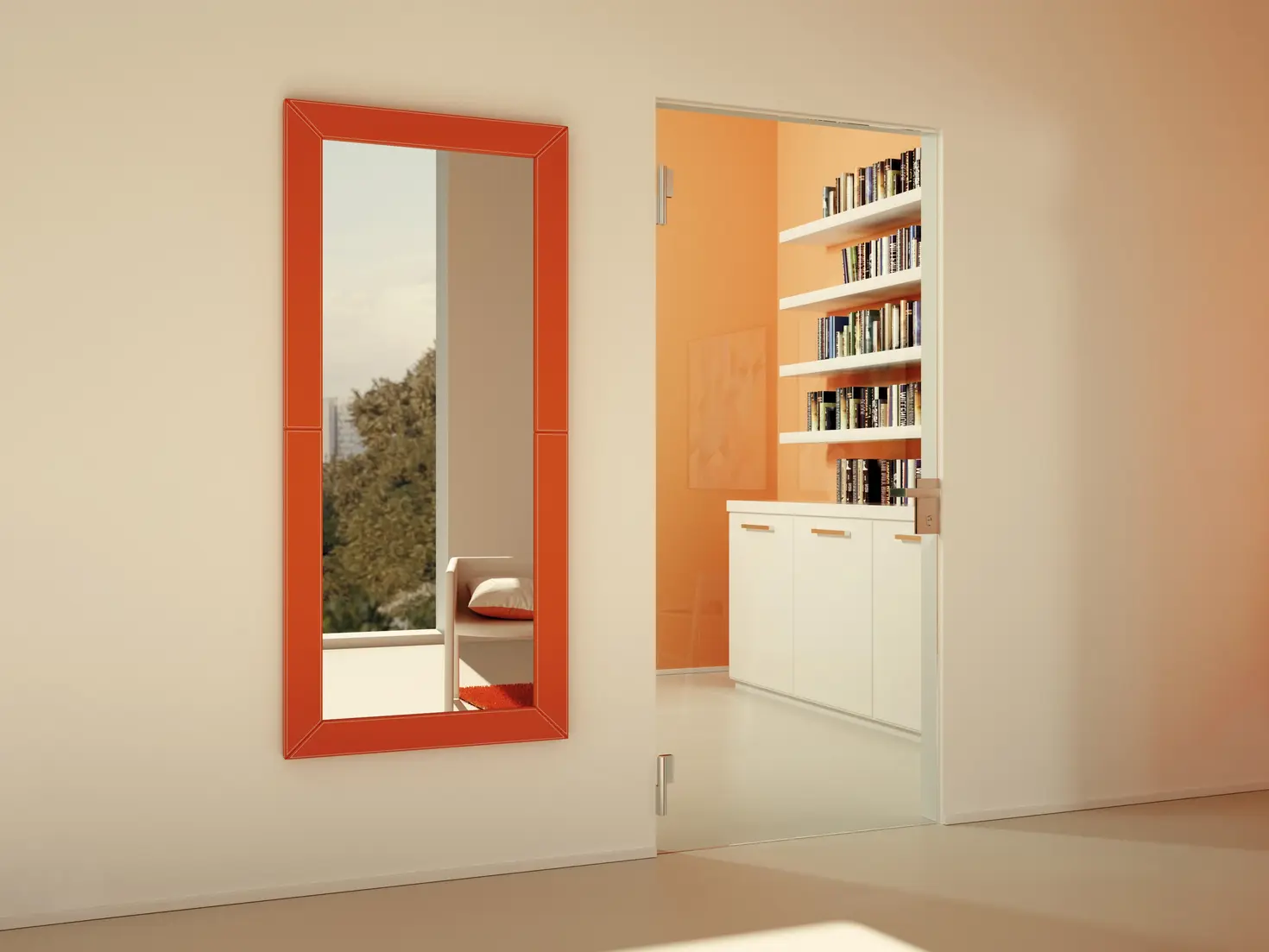
Light as a Design Element: Transparency in Contemporary Architecture
- 5 MIN. READ
- 2026-09-29
Few design principles shape modern architecture as profoundly as the deliberate use of light. Spaces that unfold, transitions that blur, and boundaries that dissolve – transparency has evolved far beyond a mere aesthetic detail. It shapes floor plans, links functional zones, and delivers the openness that today’s architecture so frequently demands.
When light becomes the defining design tool, the focus naturally shifts to the technical and functional execution of that openness, particularly where doors are meant to connect spaces rather than divide them.
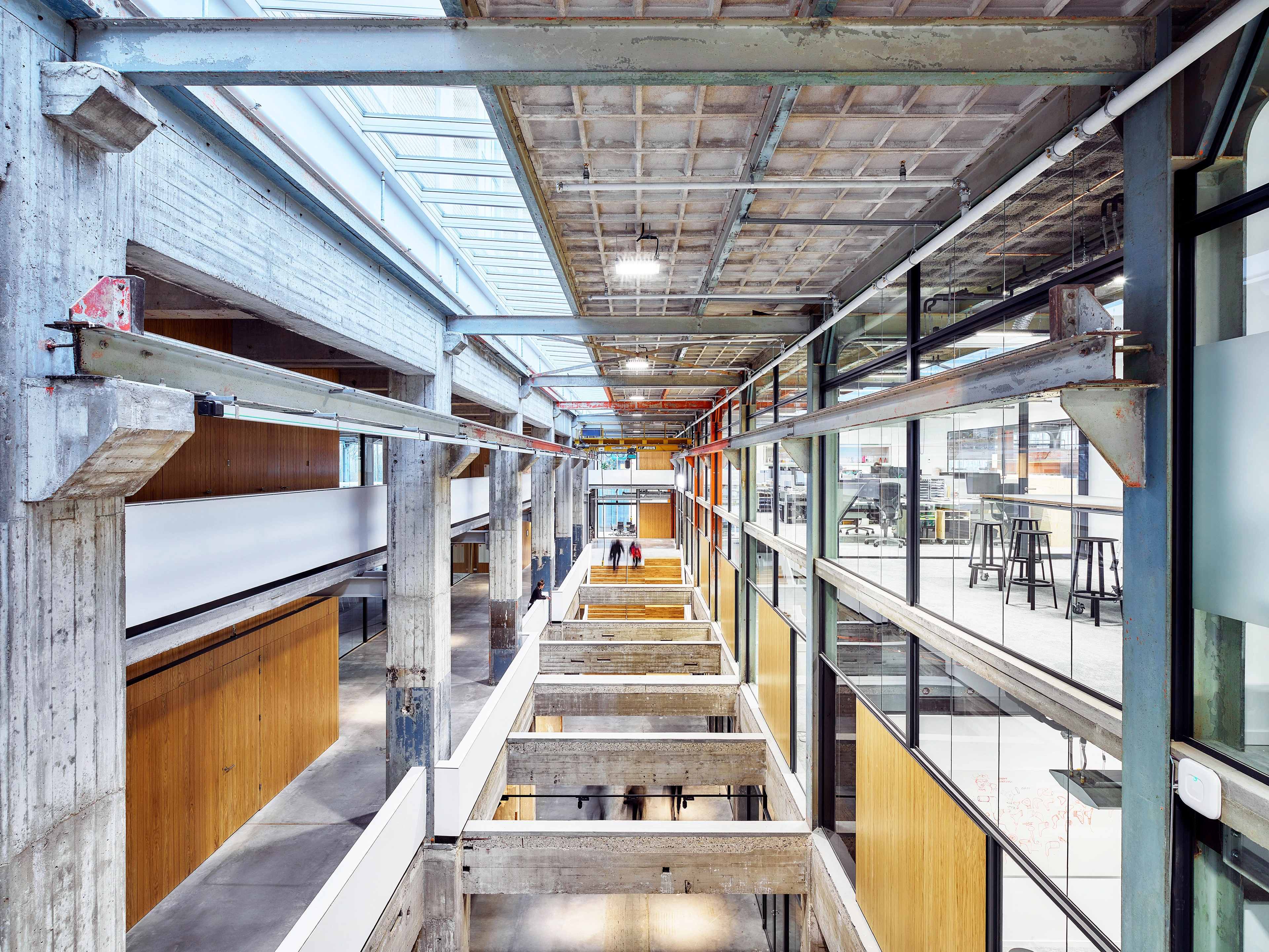
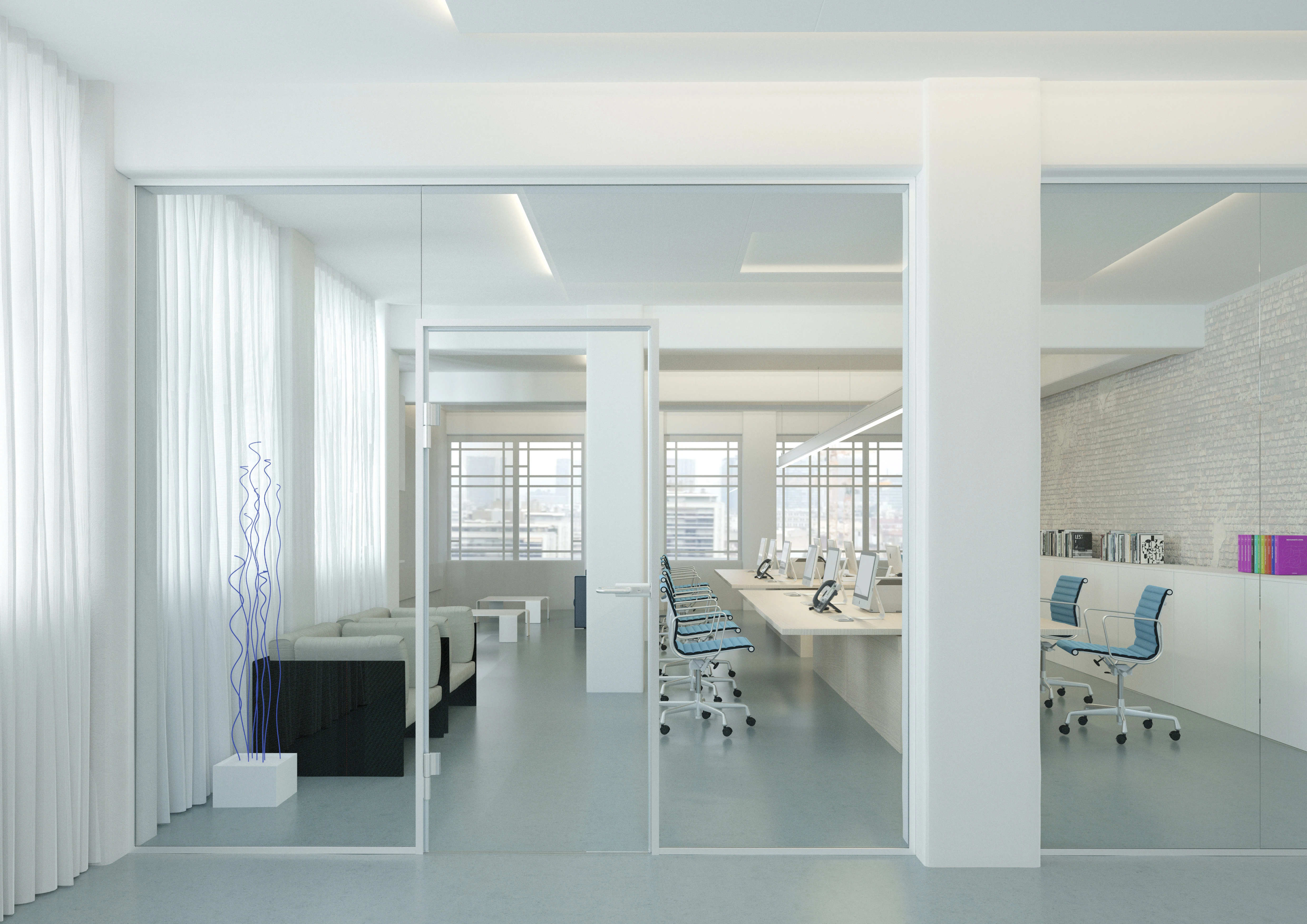
When walls give way to glass surfaces, our fundamental perception of space shifts. Light penetrates deeper into a building, creating long sightlines and transforming the inside-outside divide from a structural necessity into a deliberate design choice. Glass doors play a pivotal role in this transformation. By allowing visual connections without sacrificing spatial separation, they lend architecture a sense of lightness and permeability.
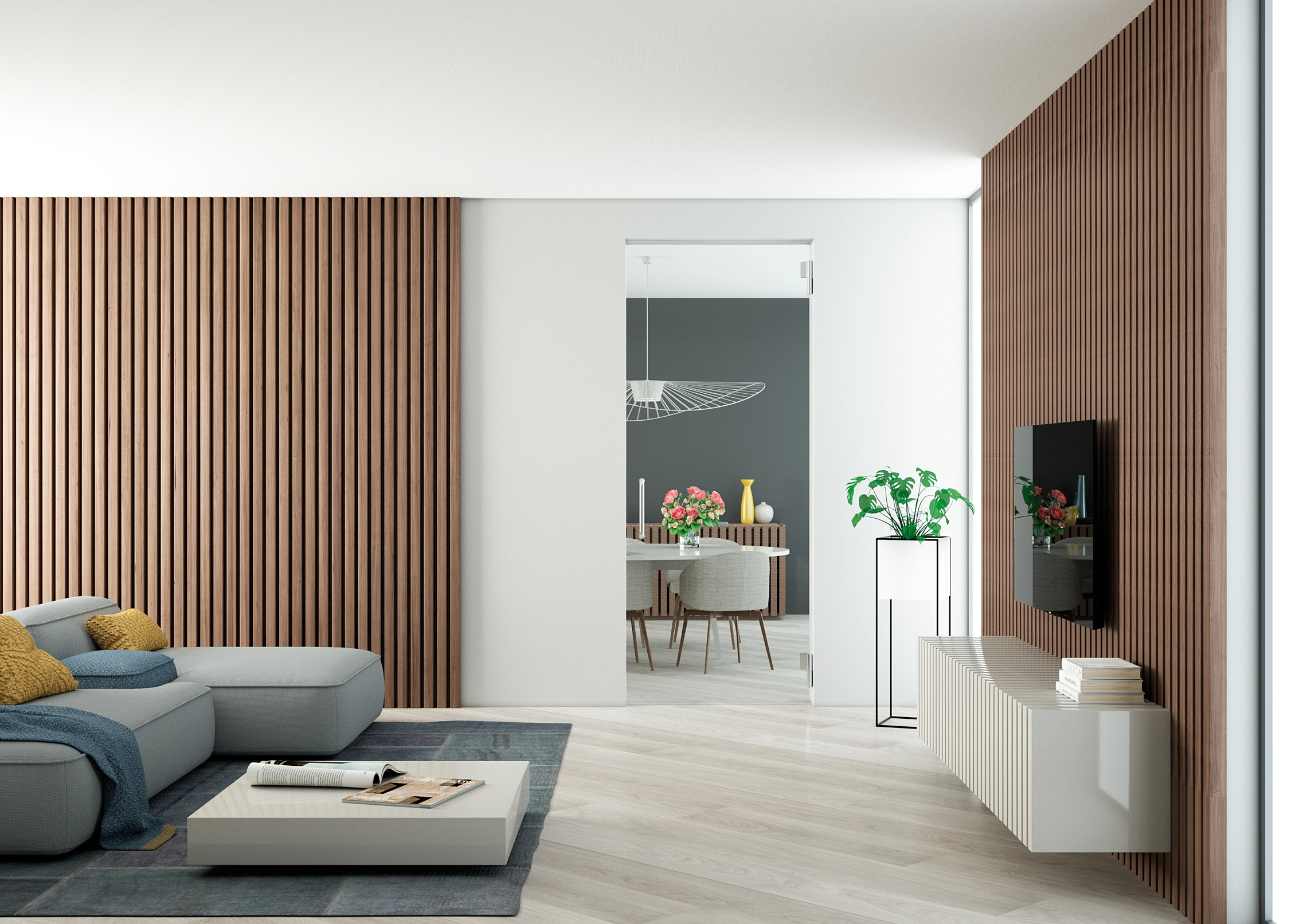
To safeguard this flow effect, the underlying technology must recede into the background. Visible hardware components risk disrupting the clean lines of a glass surface, counteracting the desired lightness. Specifiers are therefore tasked with uniting functionality, comfort, and visual discreetness – a challenge that SIMONSWERK addresses with its versatile range of hinge systems for doors, and those tailored specifically for glass doors.
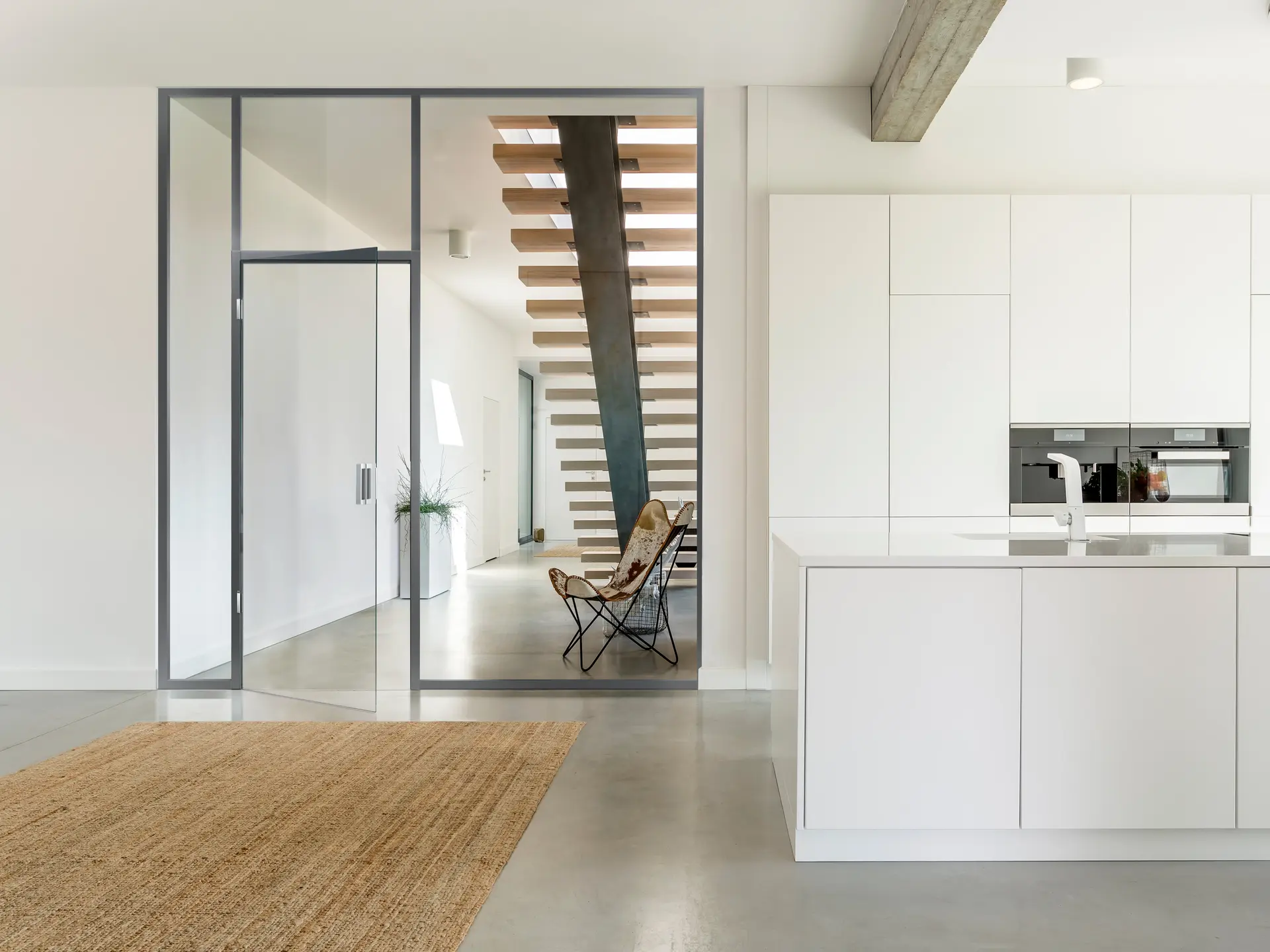
For glass doors configured as double or single-action doors, BILOBA offers a proven alternative. Thanks to its integrated hydraulic damping, this surface-mounted hinge features an automatic, internationally patented self-closing function with an adjustable speed that can be tailored to varying user needs.
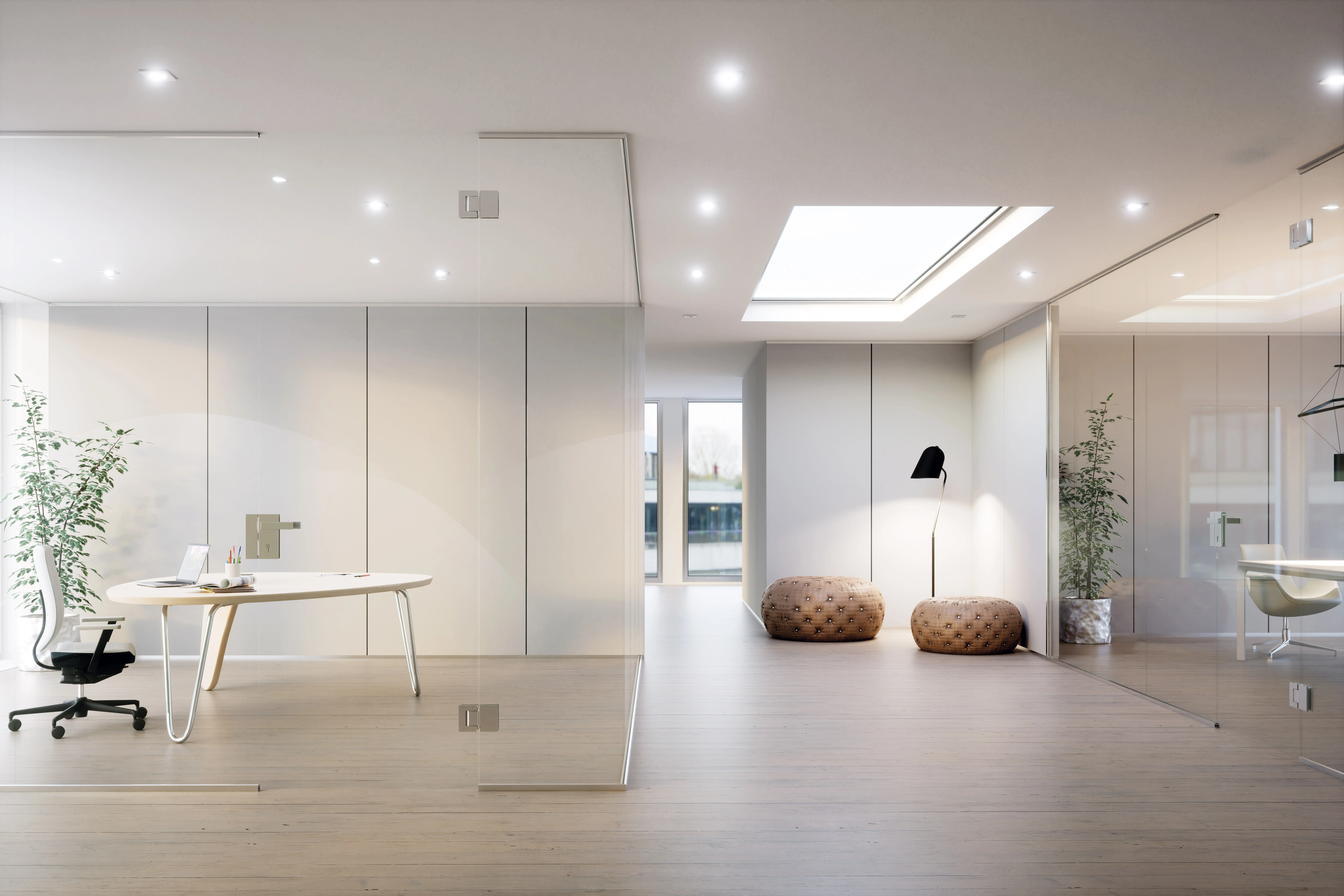
Where a particularly pared-back, elegant aesthetic is paramount, EVO is the solution of choice. This self-closing knuckle hinge for single-acting doors houses its hydraulics entirely within the slim knuckle, allowing the hardware to visually recede, making it ideal for both interior spaces and sheltered outdoor areas, such as transitions to covered terraces.
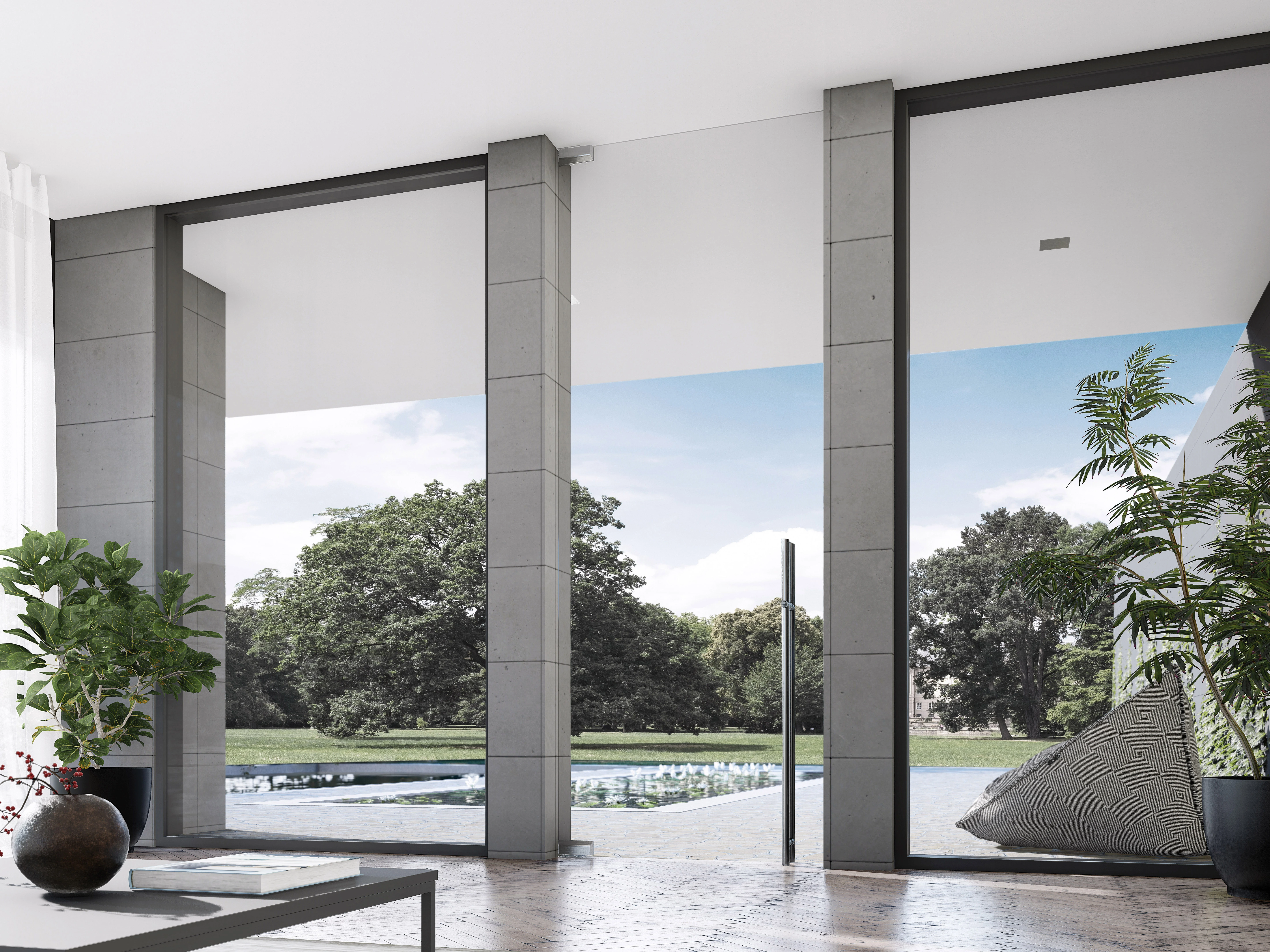
For glass doors envisioned as pivot doors, VERTO provides the answer. This modestly designed hinge system ensures automatic, constant, and controlled closing with adjustable speed, combined with quick and easy installation – a solution perfectly suited for large-format, free-standing glass elements.
As distinct as these four systems are in their technical details, they are united by a single purpose: ensuring the door works reliably and effortlessly without allowing the hardware to disrupt the overarching architectural vision. Each system takes care of a specific design challenge, providing a solution that matches the respective door and frame configuration.
Transparency is an architectural statement – one that requires technical solutions which subordinate themselves to the overall aesthetic rather than disrupting it. TECTUS Glass, BILOBA, EVO, and VERTO are four independent hinge systems ready to support a whole range of door constructions, applications, and design requirements. That’s how SIMONSWERK empowers specifiers to fully realise the potential of light-filled spaces, from the initial open-plan concept down to the inconspicuous technical detail.
The new article “Light as a Design Element: Transparency in Contemporary Architecture” from our online magazine is available for you to download. Once downloaded, you can read the article offline anytime and anywhere.