
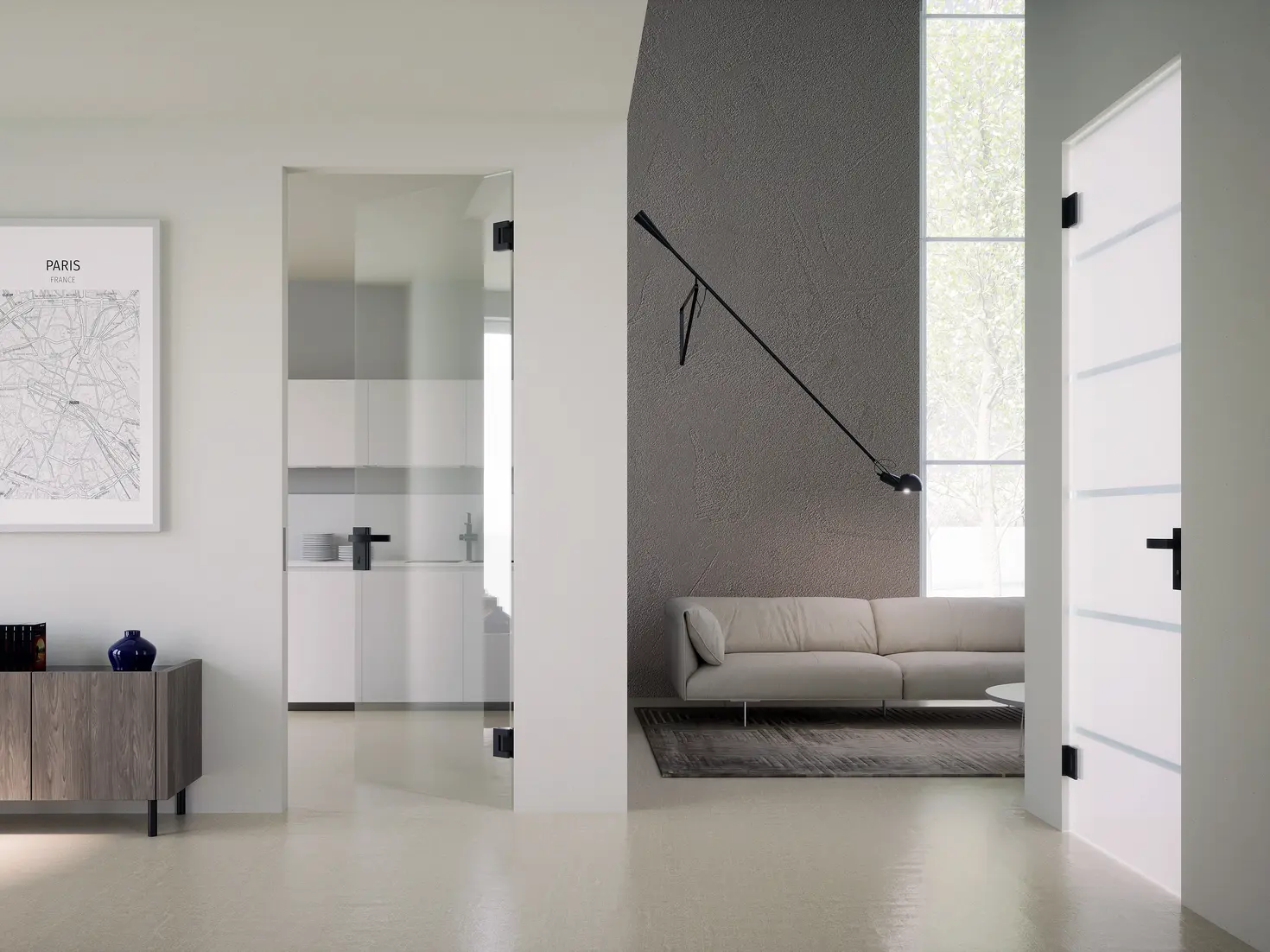
Glass Doors – Maximum Transparency for Modern Architecture
- 5 MIN. READ
- 2026-04-28
For centuries, glass has held a defining place in architecture – a material that is both ancient and remarkably modern in its appeal. Even the master builders of Gothic cathedrals used coloured panes to flood interiors with light, transforming spaces into ethereal bodies of luminosity. Today, architecture builds upon this tradition using new methods: glass is no longer just an opening to the outside world, but a design element that shapes, protects, and connects spaces. It is a material that moves between visibility and mystery, between clarity and diffusion, hardness and fragility. Its ambivalent nature is the key to its charm – and its relevance for buildings of the future.
As a versatile material, glass impresses not only through transparency but also through its adaptability. Alongside clear glass, translucent frosted glass is frequently used in architecture – particularly for doors, where light transmission and privacy are in equal demand. Through different compositions, material properties can be precisely tailored to satisfy specific requirements. Glass is also set apart from other materials because of its sustainability: it can be recycled without any loss of quality, it has an excellent material cycle, making it a future-proof resource for modern construction.
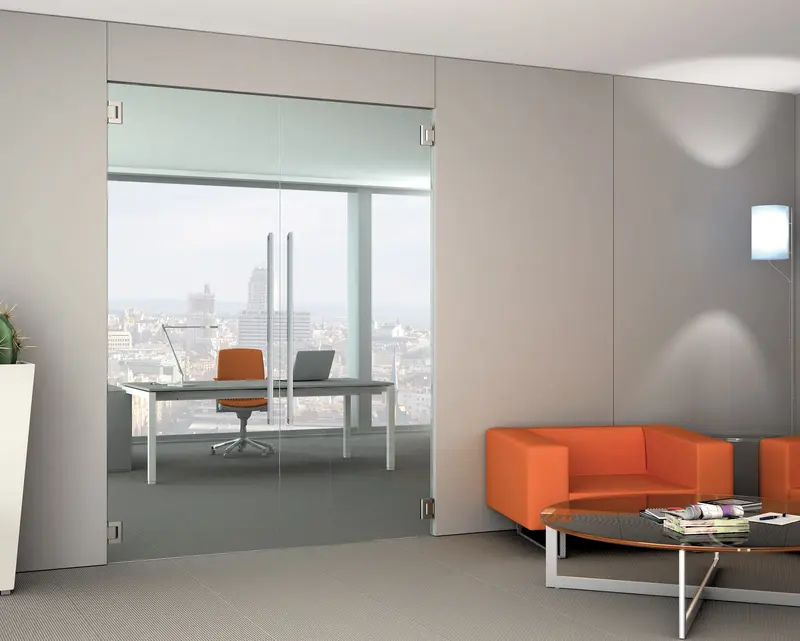
Glass doors are a central design element in office buildings, museums, hotels, and dining venues. They create a sense of openness, promote transparency, and make rooms appear more spacious. Large-scale door formats are frequently used in commercial settings. These place high demands on fittings, stability, and noise protection, and require reliable hinge solutions.
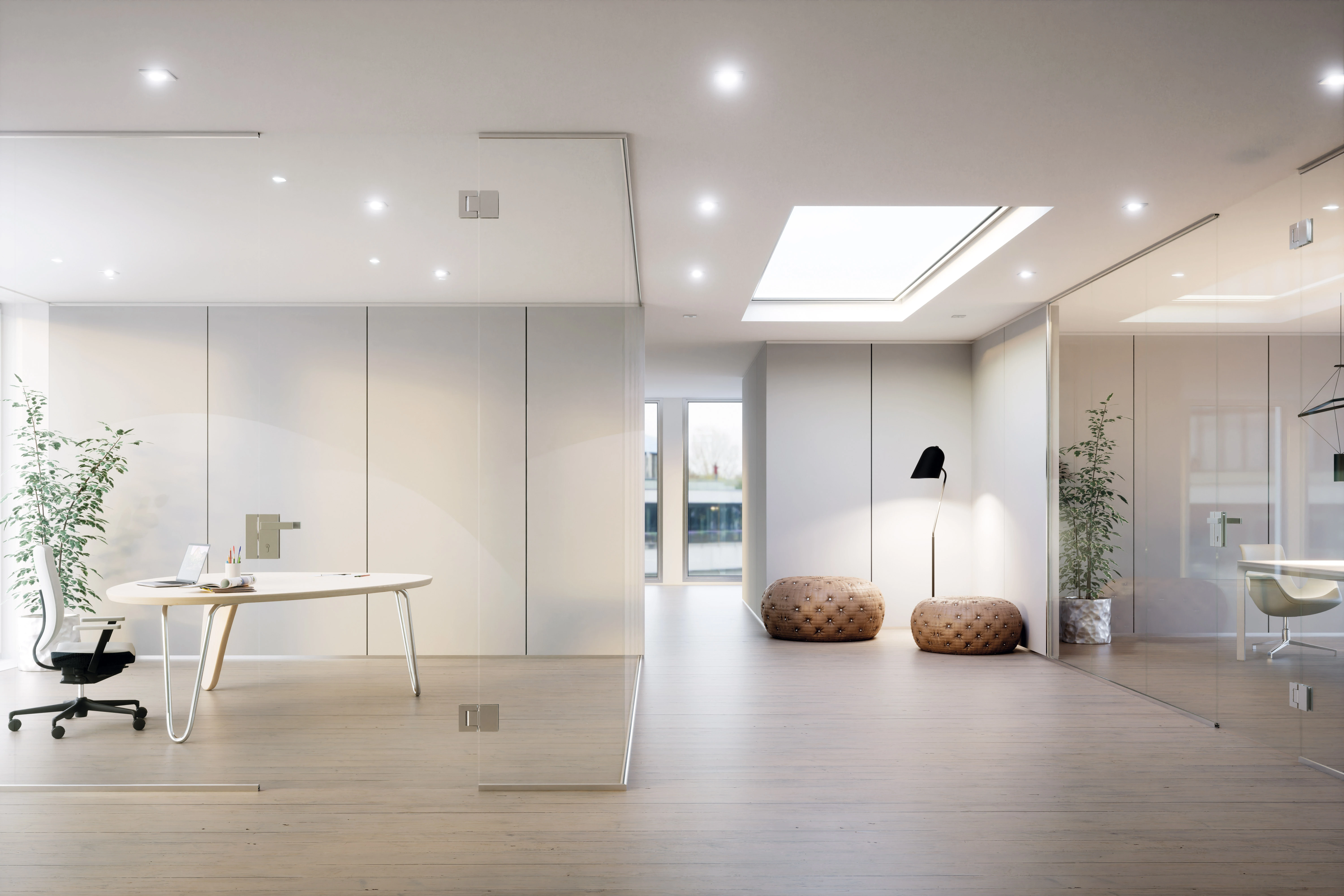
Demands that our self-closing hinges EVO, VERTO and BILOBA fully meet. They also provide added comfort and security: thanks to integrated hydraulic damping, the doors close gently and with control. The infinitely variable regulator for the closing speed means they can be individually adapted to the door weight, width, and frequency of use – a decisive advantage in high-traffic areas.
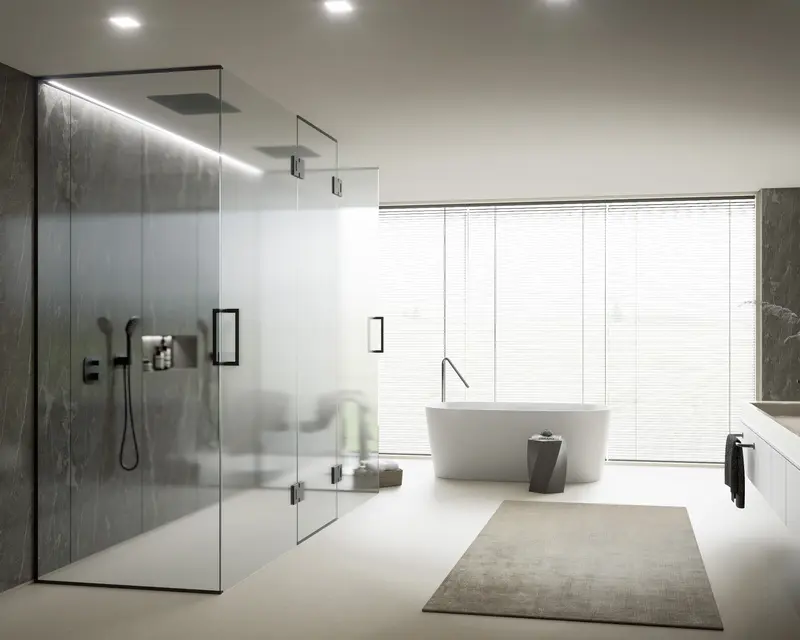
In residential construction, the focus is on light-flooded rooms and a clear, minimalist design. Glass doors allow daylight to stream even into internal rooms, creating flowing connections between living areas. Here, too, hydraulic hinges with a self-closing function can be discreetly integrated or used specifically as a design accent. As an option, glass doors can be equipped with door pull handles or a latch lock and strike box. The quiet and reliable guidance of the latch prevents damage and noticeably reduces noise.
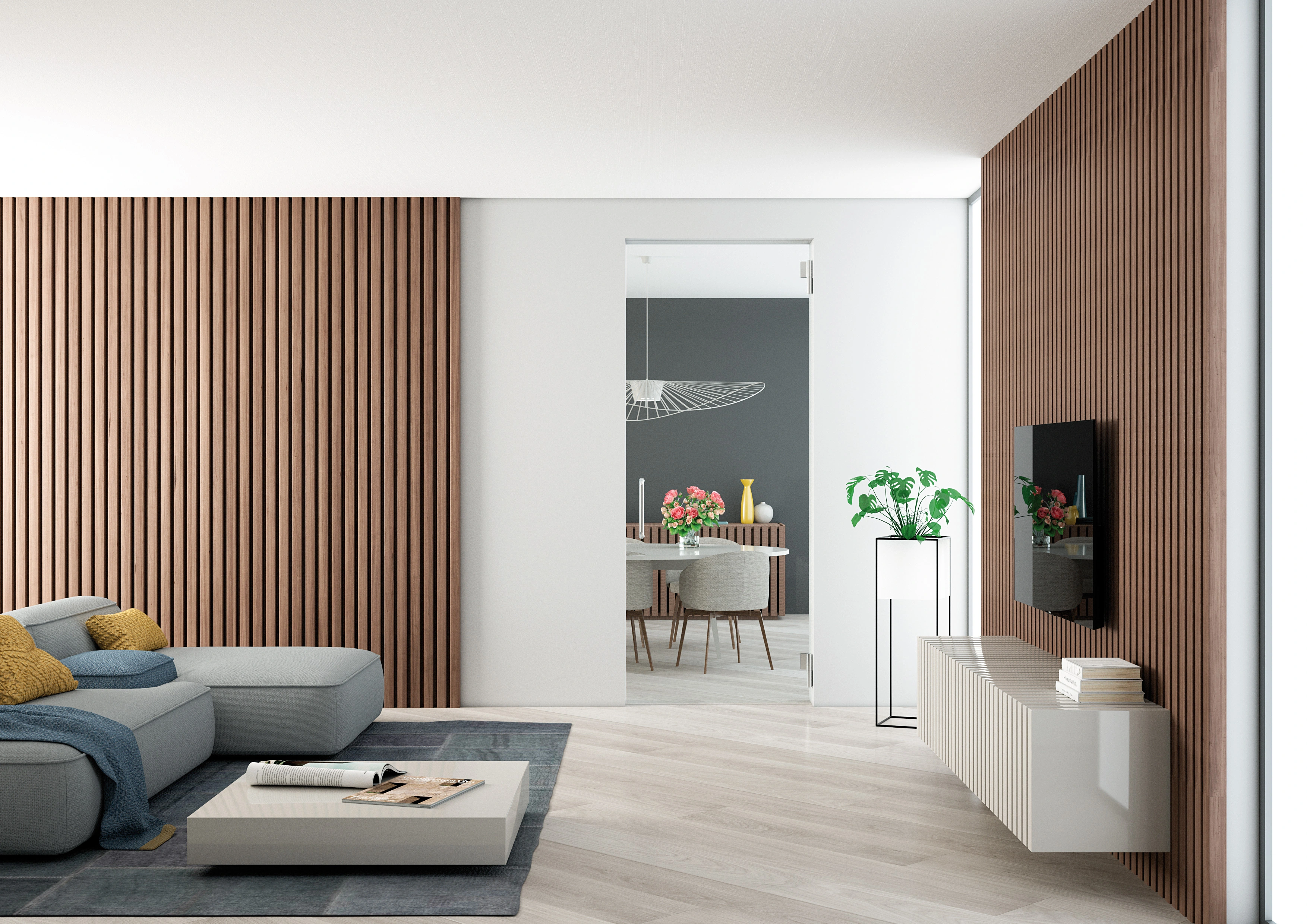
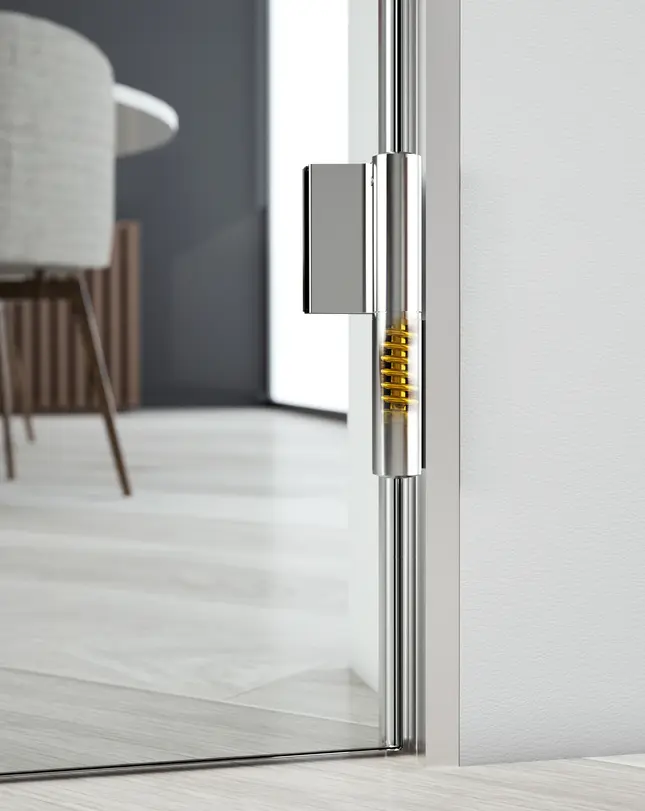
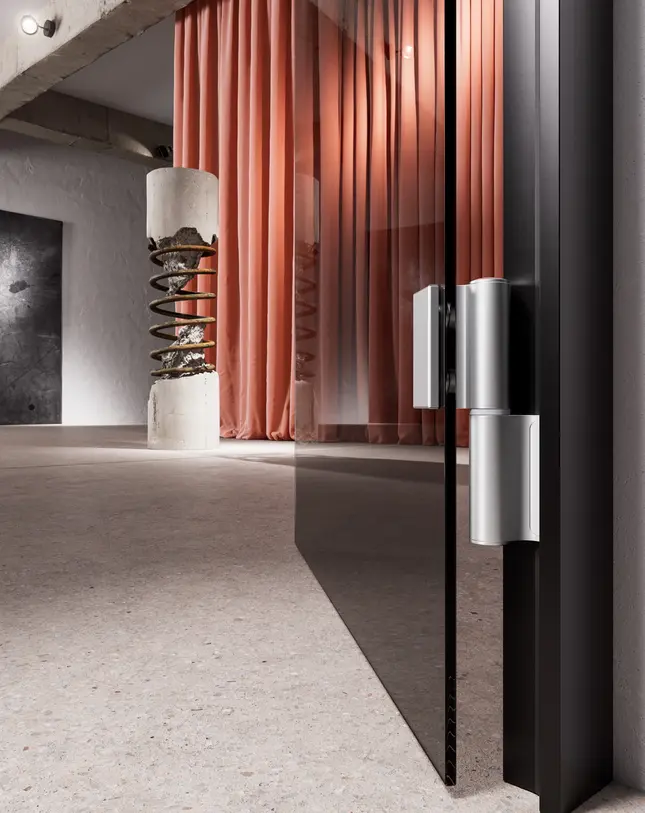
This makes EVO an ideal choice for areas with medium-footfall requirements, from offices and meeting rooms to private living spaces where comfort and a quiet close are a priority.
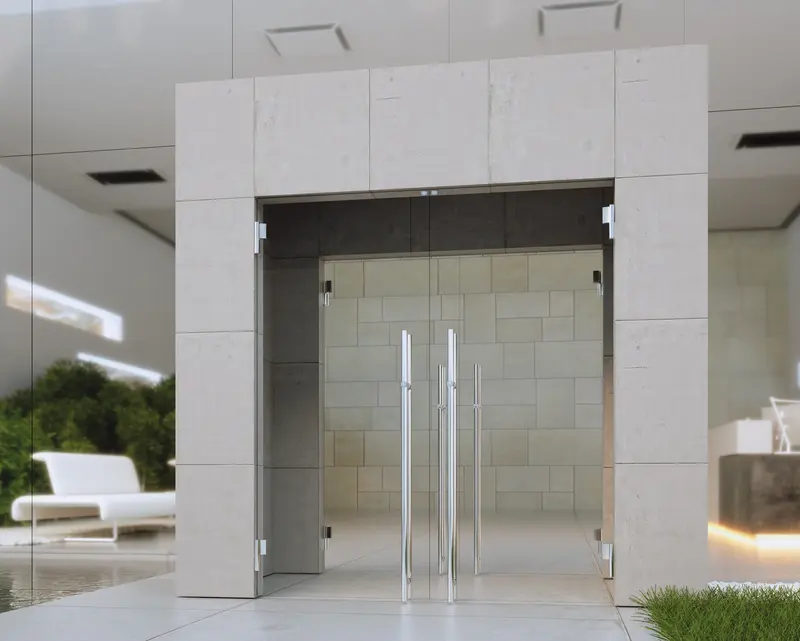
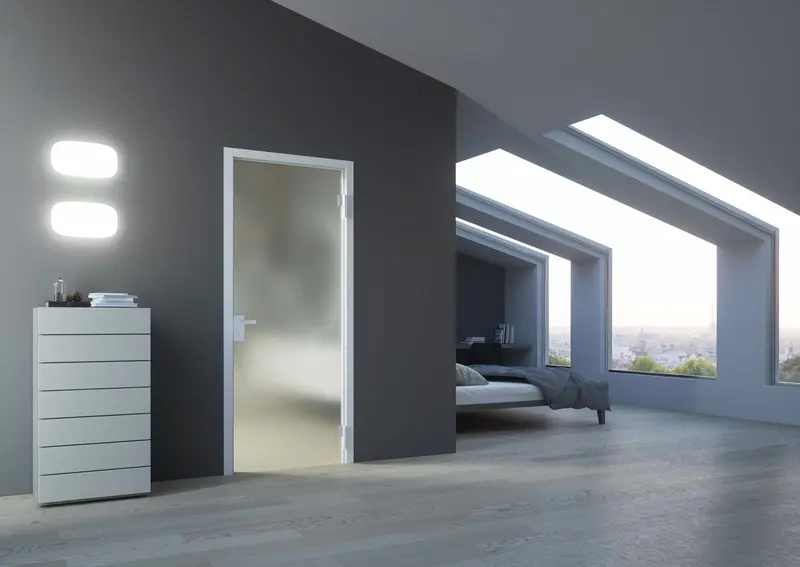
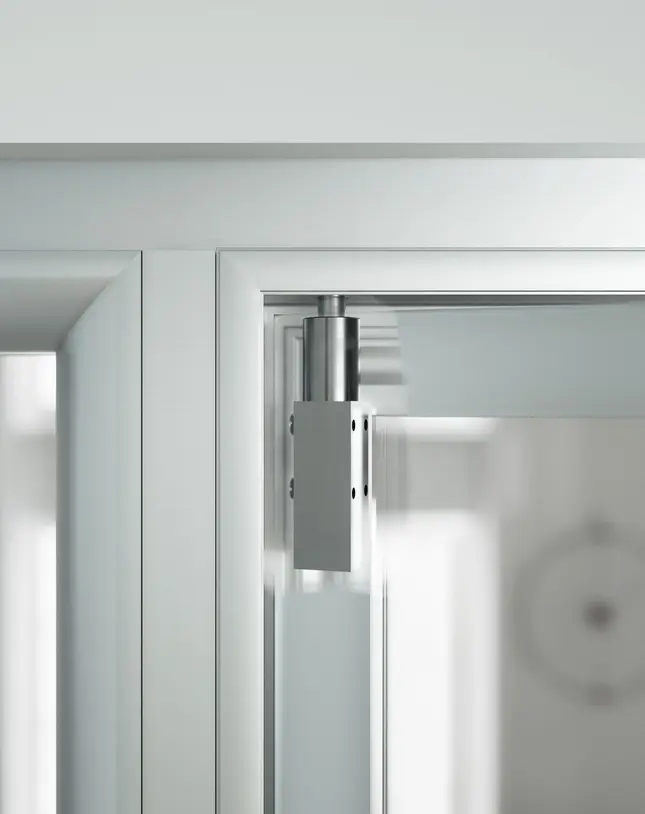
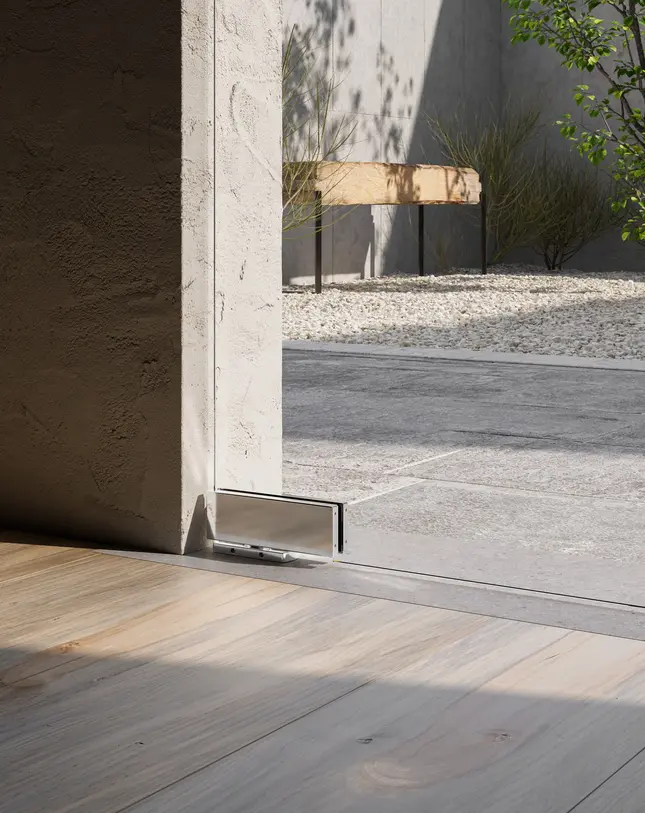
VERTO is particularly suited for prestigious areas such as lobbies, galleries, or showrooms, where design, transparency, and the impact of premium materials are paramount. The technology visually blends into the background, granting the architecture maximum freedom.
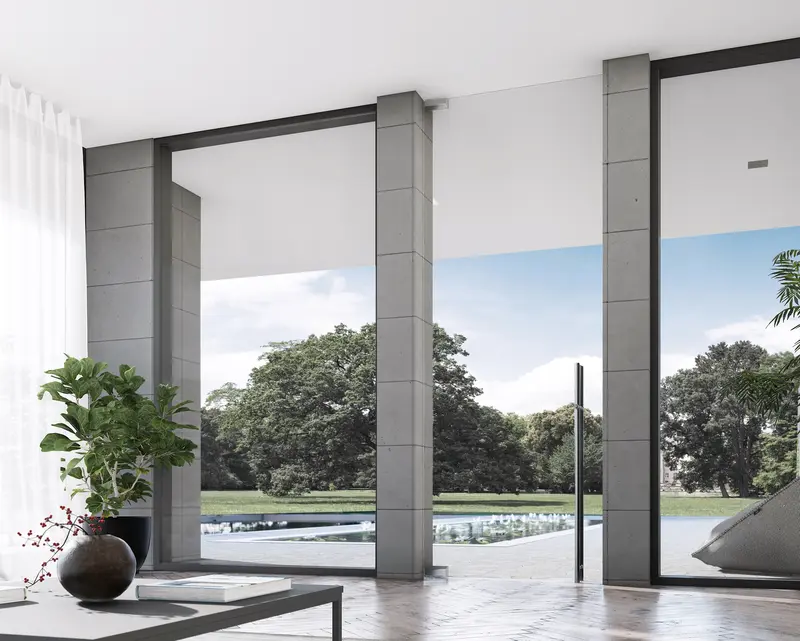
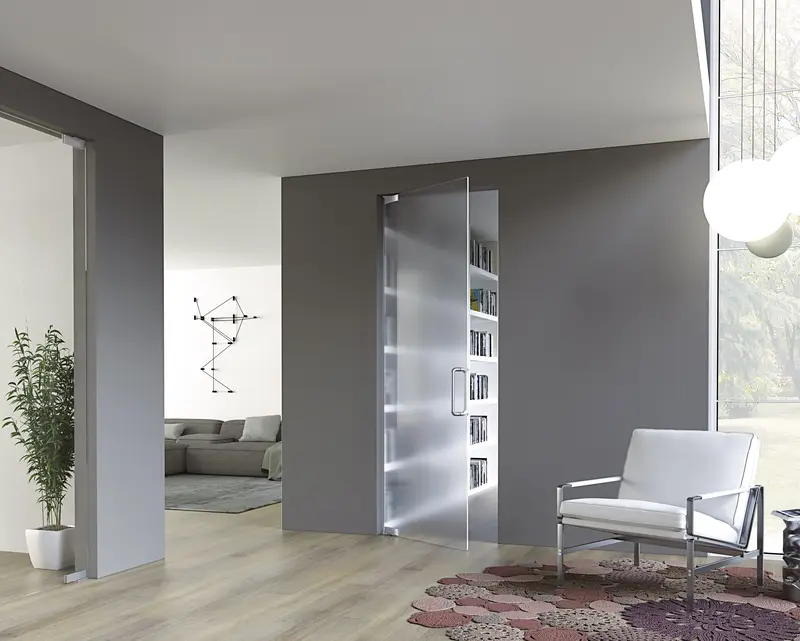
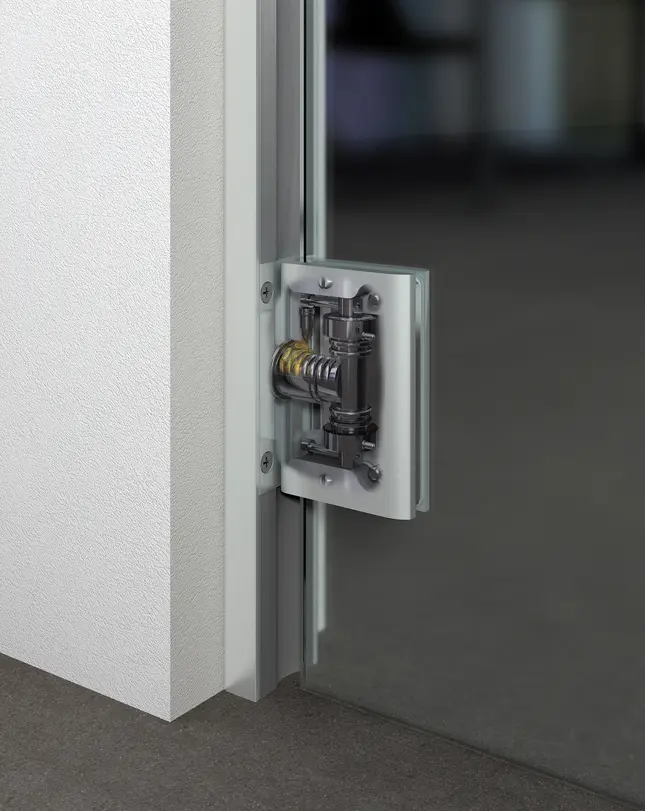
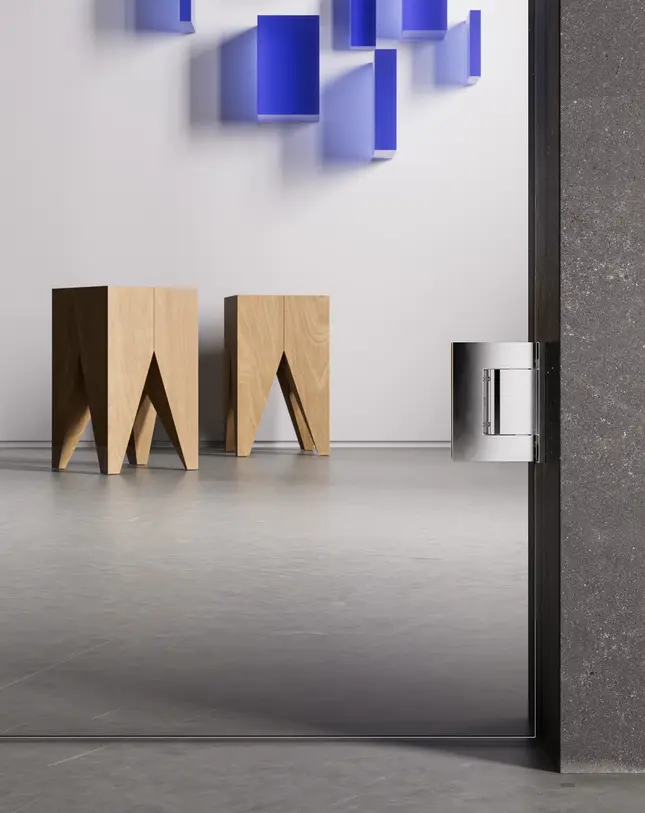
Even with heavy door weights, the movement remains smooth, secure, and reliable. Its robust construction makes BILOBA exceptionally durable and resilient – perfect for doors subject to intensive daily use. At the same time, the system guarantees a gentle, low-impact close, contributing to a pleasant acoustic environment and extending the service life of the glass door.
Are you planning a project using glass doors? Take advantage of SIMONSWERK’s Architects Service – our experts are on hand to support you with bespoke planning advice.
The new article "Glass Doors – Maximum Transparency for Modern Architecture" from our online magazine is available for you to download. Once downloaded, you can read the article offline anytime and anywhere.