


Large, heavy doors are more than a passage. They define proportions, organise sightlines and set a clear architectural accent in the façade or the interior. A solid door leaf marks the presence of a building: it stages the entrance, structures spaces and makes material and craftsmanship tangible. With full-height or particularly wide formats in particular, the door becomes a defining element of the design.
For this ambition to hold up in daily use, the technology behind it must deliver. A door leaf that hangs heavily on its hinges should close precisely for years, sit cleanly in the frame and move with ease. What matters is the interplay of hinge system, door frame construction and installation. Planners should therefore coordinate the load rating, door width and installation situation early, before proportions and details are fixed. Choosing the right hinges for heavy doors helps design intent and technical execution come together. This applies above all where finishes, joints and hardware are meant to read as one calm, continuous whole.
Are you planning a new Project?
We’d be delighted to help.


Heavy doors differ in more than weight. How much a hinge system is actually stressed is decided by the installation situation: the construction of the door frame, the fixing of the hinges and the installation of the element in the wall. This is where planning shows whether architecture and technology fit together. Anyone designing a large door format should therefore clarify early on what loads will result for the hinge, the frame and the wall connection. Three situations show what matters.
With wide door leaves, the leverage acting on the hinge grows with the width. Wide door leaves therefore call for particular attention when the hinge system is specified.
Door closers, door openers and frequent use increase the stress in daily operation. They play as much of a role in selection as the weight of the door itself.
With heavy glass doors, weight and precision come together. Tolerances in glass thickness and glass processing, clean clamping and plumb installation are decisive here. With hydraulic hinges, too, activation, adjustment and synchronisation require care.
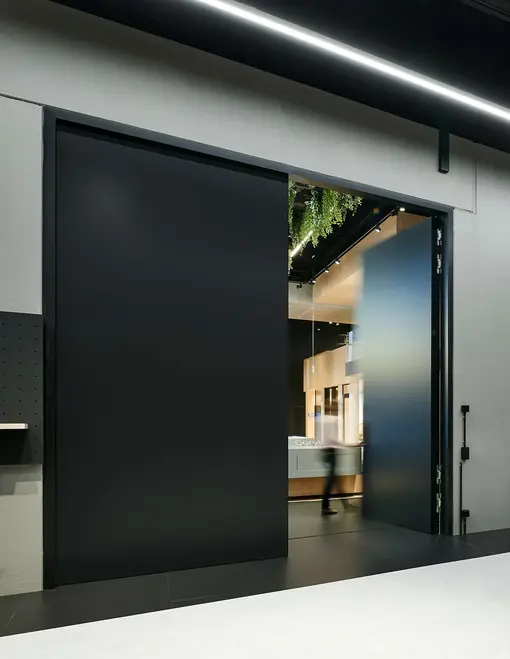
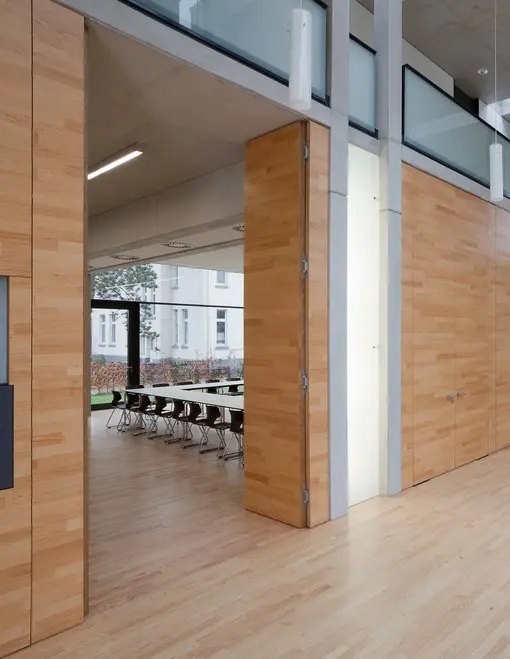
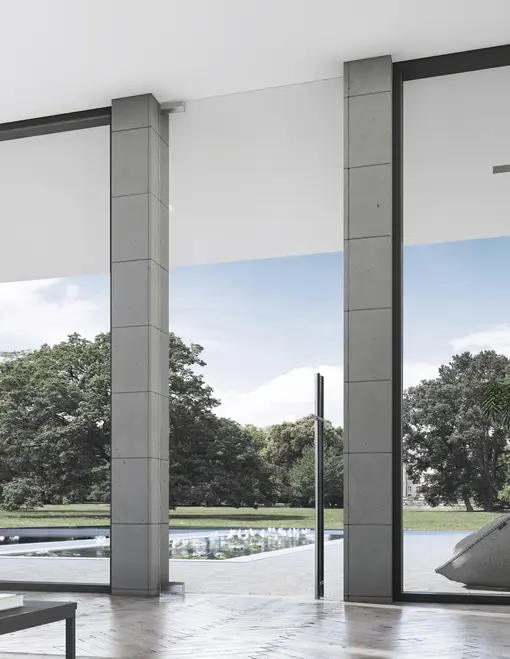

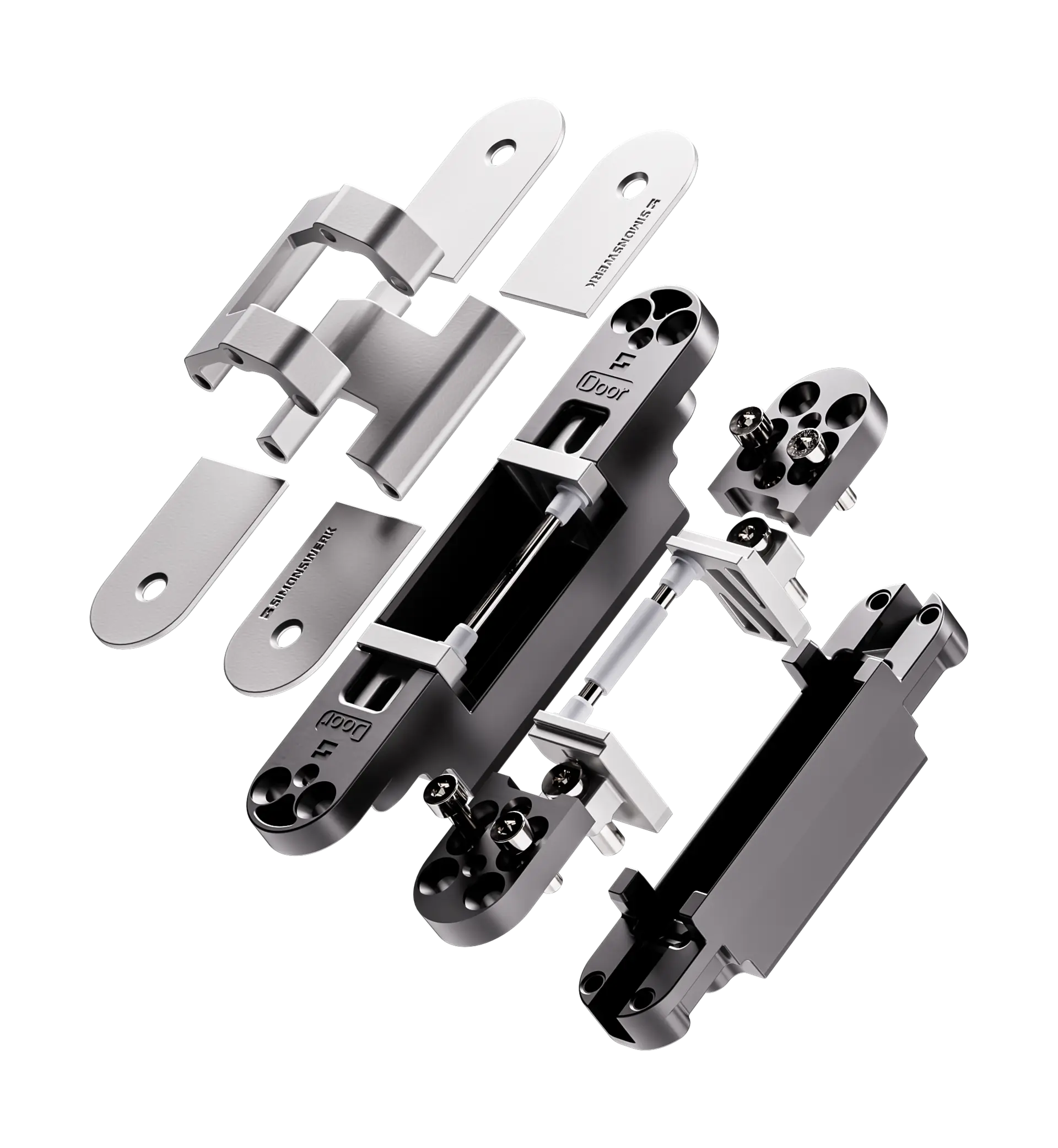
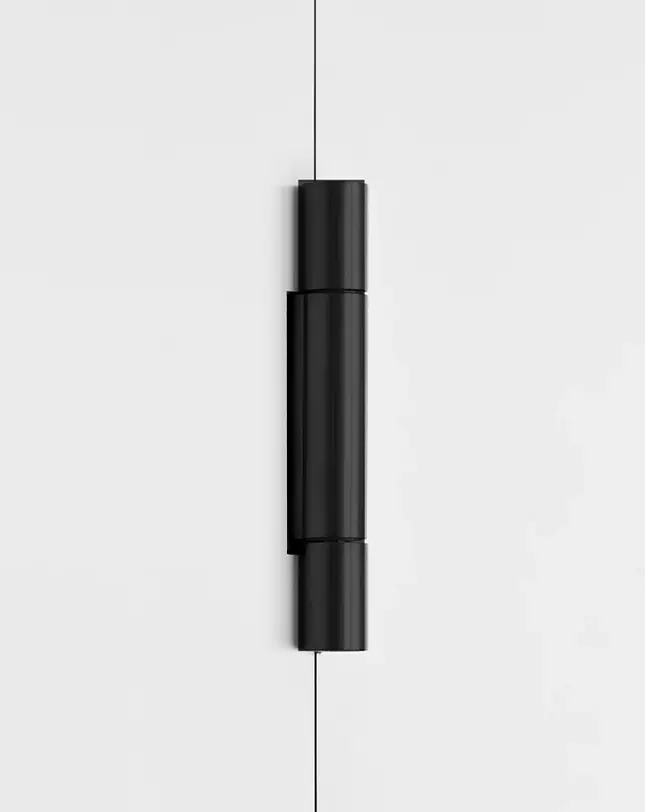
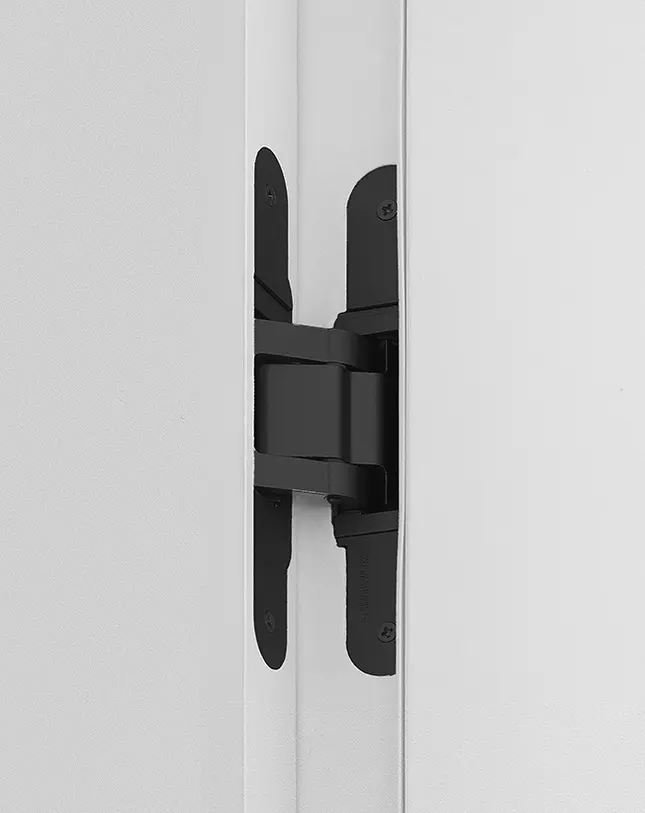
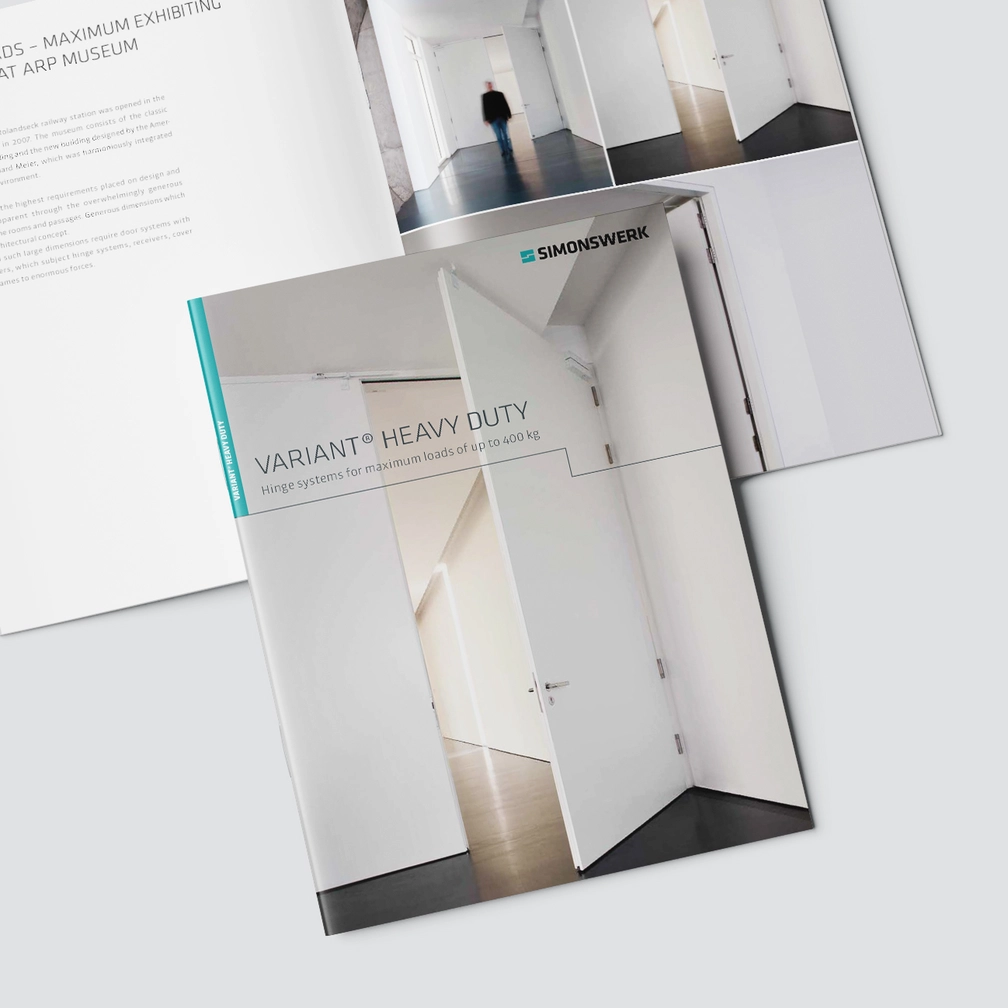
Whether a large-format timber door or a heavy glass pivot door: VARIANT VX, TECTUS and VERTO support door concepts with a high dead weight. VARIANT VX covers load ratings of up to 400 kg. TECTUS is a completely concealed hinge system for rebated and unrebated timber doors and is suitable for load ratings of up to 300 kg. VERTO is a self-closing pivot hinge for heavy glass swing doors of up to 150 kg and is suited to minimalist door concepts. The appropriate hinge system depends on door type, material, dimensions, weight, installation situation and area of use. The load rating according to the technical information remains the deciding factor.
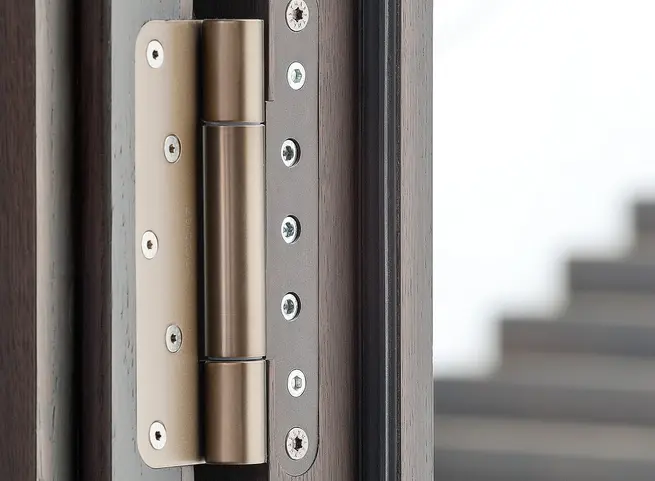
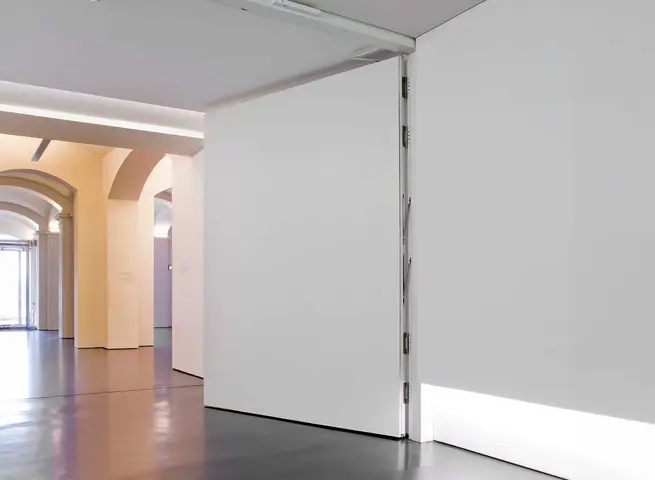
With a welded hinge knuckle, the hinge system for heavy-duty doors is suitable for timber, steel and aluminium frames. So even the most demanding requirements for fire and smoke protection and soundproofing can be met.
- for rebated and unrebated heavy-duty doors
- load capacity 400 kg
- for blind, block and casing frames
- optional receiving groove for continuous acoustic seal
- for 3D-adjustable VARIANT VX receivers
- with internal torsion-proof pin
- maintenance-free axial-radial slide bearings
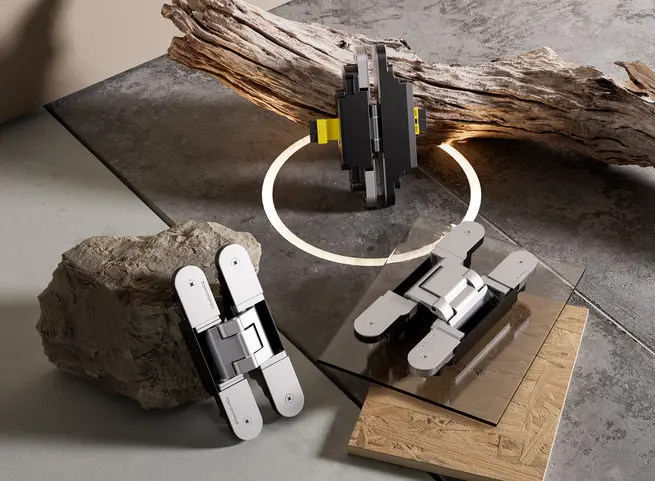
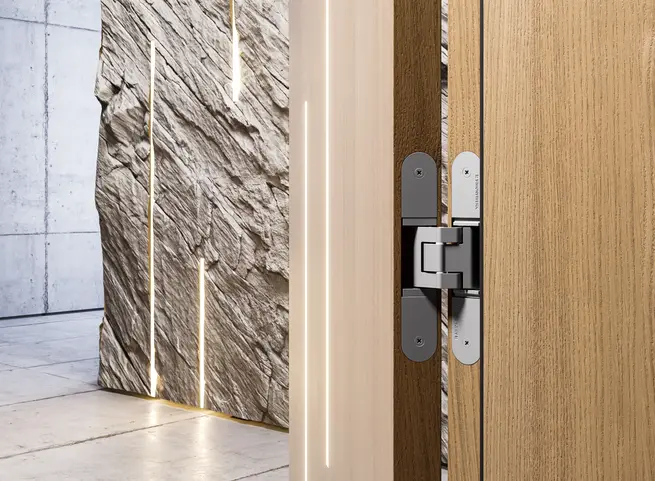
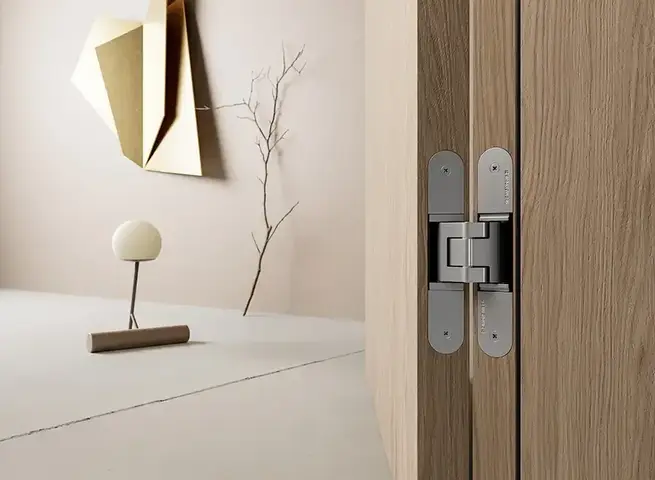
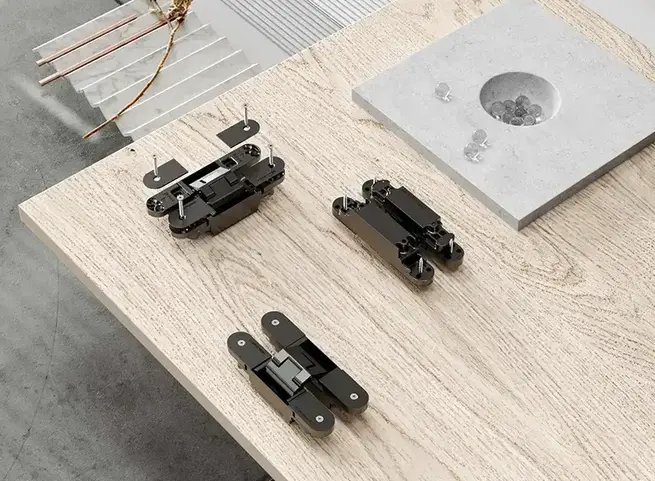
The completely concealed hinge system for rebated and unrebated timber doors are excellently suited to non-residential applications.
- for load capacities up to 300 kg
- for blind, block, steel and casing frames
- optionally for recessed frame facings
- includes integrated intumescent kit
- comes with maintenance-free slide bearings
- optional permanent energy transfer feature
- convenient 3D adjustment


For heavy glass swing doors with an integrated self-closing function, an elegant, minimalist design and load capacity of up to 150 kg. Shock absorbers and an exceptionally robust braking function allow the door to be opened and closed smoothly and quietly, with precise control.
- speed regulation system
- load capacity up to 150 kg, max. door width 1200 mm
- glass thicknesses from 8 mm to 19.5 mm
- minimalist design
- model variants for inside and outside doors
References

A museum full of art
Westphalian State Museum of Art and Cultural History
The Westphalian State Museum of Art and Cultural History in Münster is one of the largest museums in North Rhine-Westphalia. It has seen a considerable number of visitors since well before the opening of the whole new build. The VARIANT heavy-duty hinge system was used for the very high and wide doors in order to satisfy the both the high frequency of visitors as well as aesthetic requirements of the architecture designed by Staab Architekten, thus combining high-level security and impressive design.



When is a door considered heavy?
A heavy door cannot be defined by a single value. The closer look at the hinge system often begins at a door leaf weight of around 150 to 200 kilograms. Whether a door actually places high demands on its hinges also depends on door width and size, area of use, expected frequency of use, additional hardware such as door closers, and the installation situation.
Which SIMONSWERK hinge systems are suitable for heavy doors?
VARIANT VX, TECTUS and VERTO. The load ratings are up to 400 kg (VARIANT VX), up to 300 kg (TECTUS) and up to 150 kg (VERTO, for glass doors). The technical information for the respective product is decisive.
How do I choose the right hinge system for a heavy door?
The load rating according to our table comes first. Finish and appearance follow. Take door width, additional hardware, frequency of use and the installation situation into account.
Is the right hinge enough on its own?
No. Alongside the fixing of the hinge, the construction of the door frame and the fixing and installation of the element in the wall matter.
What mistakes are common with heavy doors?
The hinge itself often receives too little attention. Typical installation mistakes include screws that are too small, incorrect or untidy milling, incorrect adjustment and poor installation of the door frame.
What should be considered with heavy glass doors?
The tolerances for glass thickness and glass processing, cleaning of the glass in the clamping area, the prescribed torques and plumb installation must be observed. Hydraulic hinges must be commissioned correctly: activation, adjustment and synchronisation.
When is individual consultation advisable?
Often with heavy doors. Especially when door manufacturers push the limits of their constructions or the installation situation creates particular loads, we are happy to advise you personally.